In Central Florida, families increasingly find themselves weighing two distinct options, either homeschooling their children or seeking private education. Each approach offers unique benefits, and understanding the fundamental differences between homeschool and private education can help you make an informed choice that aligns with your family's values and your child's needs.
We regularly speak with families considering the transition from homeschool to private school. Many parents want to understand what changes their children will experience and whether a structured school environment will benefit their development. This guide explores the key distinctions between these educational models to help you navigate this important decision.
Understanding Each Educational Model
Before comparing homeschool vs private school options, it's helpful to understand what each model entails.
Homeschooling
Homeschooling gives parents direct control over their child's education. Families design their own curriculum, set their own schedule, and create learning experiences tailored to their child's interests and pace. This approach offers maximum flexibility and allows education to happen anywhere—from the kitchen table to museums, libraries, and beyond.
Private Education
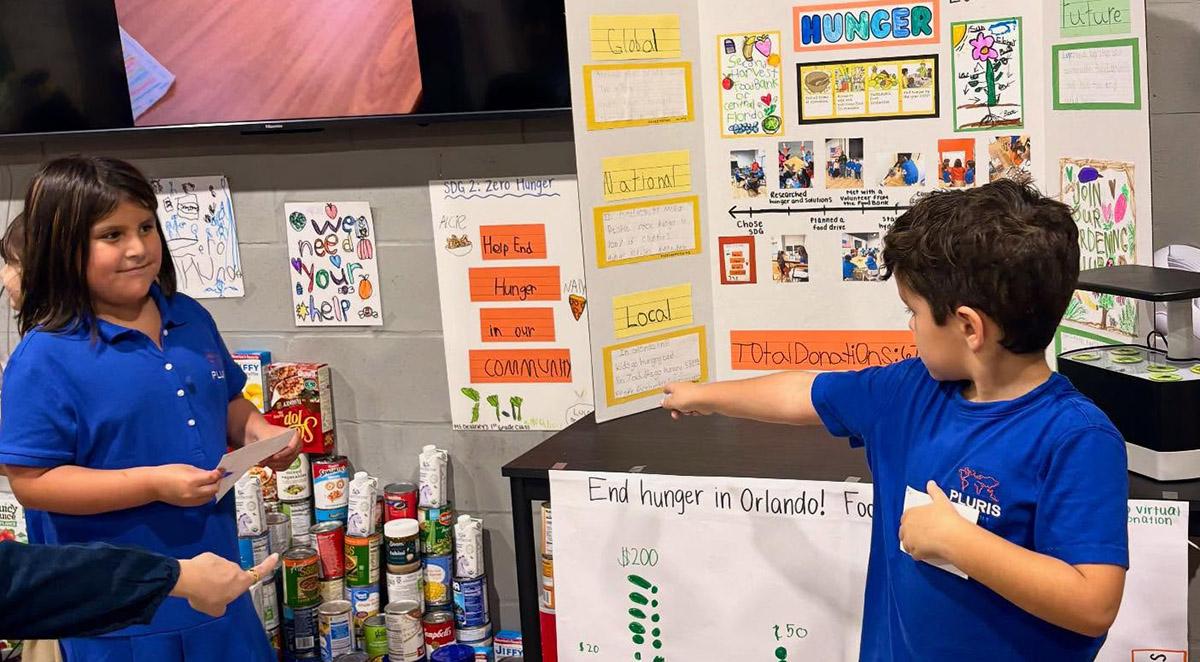
Private education provides a structured school environment where certified teachers deliver curriculum in dedicated facilities. At schools like Pluris Academy, students experience a cohesive educational community with peers, specialized instructors, and resources designed specifically for learning. Our approach emphasizes entrepreneurial thinking, project-based learning, and preparation for real-world challenges through our unique "garage" methodology.
Curriculum and Academic Structure
Homeschool Curriculum Approach
Homeschool families typically choose from several curriculum options:
- Pre-packaged curriculum programs that provide lesson plans and materials
- Self-designed curriculum based on the child's interests and learning style
- Online learning platforms that offer structured courses
- Hybrid approaches combining multiple resources
Parents assume full responsibility for ensuring their child meets state educational requirements and progresses academically. This flexibility allows families to spend more time on subjects where a child excels or needs additional support. Read our blog comparing private and online learning paths.
Private School Curriculum Structure
Private schools implement comprehensive, sequential curricula aligned with educational standards. At Pluris Academy, our curriculum incorporates:
- Florida-aligned academic standards ensuring students master essential concepts
- Project-based learning that develops critical thinking and problem-solving skills
- Entrepreneurial education integrated across all grade levels
- Technology integration through 1:1 device learning when developmentally appropriate
- Global citizenship components preparing students for an interconnected world
Our "garage" learning model—inspired by innovators like Steve Jobs who started revolutionary companies in garage workshops—encourages students to experiment, iterate, and develop real-world solutions to meaningful problems.
Key Academic Differences
The academic differences between homeschool and private education extend beyond curriculum content. Private schools offer:
- Specialized instructors with expertise in specific subject areas
- Consistent academic progression through carefully designed scope and sequence
- Standardized assessments that benchmark student performance
- College counseling and preparation for higher education
- Dual enrollment opportunities, such as our partnership with the University of Central Florida
Homeschooling provides more flexibility to explore subjects deeply or move quickly through material when a child demonstrates mastery. However, this requires parents to maintain expertise across all subject areas or coordinate with tutors and specialists.
Socialization and Peer Interaction
Perhaps no topic generates more discussion in the private school or homeschool comparison than socialization. Both educational models provide social opportunities, but the nature and consistency of these interactions differ significantly.
Socialization in Homeschool Settings
Homeschooled students typically develop social connections through:
- Homeschool co-ops that meet weekly or monthly
- Community activities, sports teams, and clubs
- Church groups or community organizations
- Neighborhood friendships and family gatherings
- Scheduled playdates and field trips with other homeschool families
The quality of social experiences in homeschooling depends heavily on parental initiative and the local homeschool community's resources. Some areas offer robust homeschool networks, while others provide limited opportunities for regular peer interaction.
Socialization in Private School Environments
Private schools create natural, daily opportunities for students to develop social skills through:
- Consistent interaction with the same peer group
- Collaborative learning projects and group work
- Extracurricular activities integrated into the school day
- Student leadership opportunities
- Structured environments for navigating social challenges with adult guidance
At Pluris Academy, socialization happens organically throughout the day. Students work together on entrepreneurial projects, participate in our Pluris Talks speaker series, and engage with diverse perspectives through our global citizenship curriculum. These experiences develop emotional intelligence alongside academic skills—preparing students to collaborate effectively in future college and career settings.
Is Private School Better Than Homeschooling for Socialization?
The answer depends on your child's personality and your family's capacity to coordinate social opportunities. Private schools offer consistent, age-appropriate peer interaction daily. Students learn to navigate different social situations, develop friendships, work through conflicts with guidance from trained educators, and build a consistent community.
Homeschooling can provide rich social experiences, but requires parents to actively seek out and coordinate these opportunities. Families must invest significant time and energy into ensuring their children regularly interact with peers across various contexts.
Daily Structure and Schedule
Homeschool Flexibility
One of homeschooling's greatest advantages is schedule flexibility. Families can:
- Adjust learning hours to accommodate travel, family needs, or a child's natural rhythms
- Take extended breaks or learn year-round
- Pursue intensive studies in specific subjects
- Accommodate children with different learning paces
This flexibility particularly benefits families who travel frequently, have children with unique learning needs, or prefer non-traditional schedules.
Private School Consistency
Private schools operate on structured schedules that provide:
- Consistent daily routines that help children develop time management skills
- Regular school hours typically from 8:00 AM to 2:45 PM at Pluris Academy
- Dedicated time blocks for different subjects and activities
- Built-in breaks including recess, lunch, and transitions between classes
At Pluris Academy, our bell schedule varies by age group to accommodate developmental needs. Lower elementary students have longer play periods, while high school students benefit from extended class periods that allow for deep engagement with complex topics.
This structure helps students develop executive functioning skills, learn to manage multiple responsibilities, and prepare for the schedules they'll encounter in college and careers.
Parental Involvement and Responsibilities
The Homeschool Parent's Role
Homeschool parents serve as primary educators, requiring them to:
- Research and select appropriate curricula
- Plan daily lessons and learning activities
- Teach across all subject areas
- Assess student progress and adjust instruction
- Maintain required documentation for state compliance
- Coordinate extracurricular and social opportunities
- Manage the household while overseeing education
This comprehensive responsibility demands significant time, energy, and often a parent who can dedicate their workday to education. Many homeschool parents find the experience rewarding, but it's essential to honestly assess whether your family has the resources and temperament for this intensive commitment.
The Private School Parent's Role
Parents of private school students support their child's education through:
- Monitoring homework completion and study habits
- Attending parent-teacher conferences
- Participating in school events and activities
- Reinforcing learning at home
- Collaborating with teachers on student progress
At Pluris Academy, we view parents as essential partners in education. We communicate regularly about student progress, provide resources for supporting learning at home, and welcome parent involvement. However, the primary educational responsibility rests with our professional educators, allowing parents to focus on other aspects of family life and their own careers.
Extracurricular Opportunities and Enrichment
Homeschool Extracurriculars
Homeschool families must independently arrange:
- Music lessons with private instructors
- Art classes through community programs
- Science experiences through homeschool co-ops or museums
- Physical education through sports leagues or activities
The variety and quality of these opportunities vary significantly based on location, family budget, and parental time availability. Urban areas typically offer more resources than rural communities, and coordinating multiple activities requires considerable scheduling effort.
Private School Integrated Programs
Private schools incorporate enrichment directly into the educational experience. Pluris Academy students benefit from:
- Art, music, and physical education for all grade levels
- Entrepreneurship programs starting in elementary school and progressing through high school
- Technology integration that develops digital citizenship alongside academic skills
- Leadership opportunities through student organizations and projects
- Guest speakers and mentors including successful entrepreneurs who share real-world insights
These experiences happen during the school day as part of our comprehensive program, ensuring all students access diverse learning opportunities regardless of family schedule constraints.
Transition from Homeschool to Private School
Many families wonder: can my homeschooled child adapt to private school? The answer is almost always yes, though the transition requires thoughtful preparation.
How to Transition from Homeschool to Private School in Orlando
If you're considering Orlando private school homeschool hybrid programs or a full transition to private education, here's what to expect:
Academic Adjustment:
- Students may need time to adapt to the pacing and structure of classroom instruction
- Our teachers assess each student's academic level and provide support as needed
- We offer intervention for students who need additional help or challenges for those ready to move ahead
Social Integration:
- Most homeschooled students adapt socially within a few weeks to a few months
- We pair new students with peer buddies to help them navigate social dynamics
- Our small class sizes (a key feature at Pluris Academy) make integration easier
Schedule Adaptation:
- Establishing morning routines and consistent bedtimes helps students adjust
- The structure of the school day soon becomes familiar and comfortable
- Students typically appreciate knowing what to expect each day
Supporting Your Child's Transition
Parents can ease the homeschool to private school switch by:
- Visiting the school and meeting teachers before the first day
- Discussing what to expect about schedules, homework, and social interactions
- Maintaining open communication with teachers about adjustment challenges
- Allowing time for the transition without expecting immediate perfection
- Celebrating successes as your child masters new routines and responsibilities
At Pluris Academy, we support mid-year transfers and work closely with families to ensure smooth transitions. Our student-centered approach means we adapt to meet each child where they are academically and socially. Read our blog about shifting schools mid year.
College Preparation and Outcomes
Homeschool College Preparation
Homeschooled students can certainly succeed in college, but preparation requires:
- Maintaining detailed transcripts and documentation of coursework
- Arranging for standardized testing (SAT, ACT)
- Developing strong portfolios demonstrating academic achievement
- Seeking out advanced coursework through community colleges or online programs
- Building extracurricular involvement to strengthen college applications
Families bear full responsibility for ensuring their student meets college admission requirements and develops necessary academic skills. While we maintain student privacy and don't publish individual results, our graduates consistently demonstrate strong performance in several key areas.
Private School College Counseling
Private schools provide structured college preparation including:
At Pluris Academy, we offer:
- Dual enrollment opportunities through our partnership with the University of Central Florida
- College counseling beginning in high school
- Transcripts and records maintained by the school
- Teacher recommendations from educators who know students well
- A rigorous curriculum that prepares students for college-level work
Our entrepreneurial program particularly strengthens college applications by demonstrating initiative, creativity, and real-world problem-solving skills that universities value.
Cost Considerations
Homeschool Financial Investment
While homeschooling doesn't involve tuition, families invest in:
- Curriculum materials and resources
- Educational supplies and technology
- Extracurricular activities and classes
- Field trips and educational experiences
- Potential lost income if a parent forgoes employment to homeschool
Private School Tuition
Private education involves tuition costs, but families should consider:
- The comprehensive nature of what's included (instruction, materials, facilities, activities)
- Available scholarships and financial assistance, including the STEP UP scholarship program accepted at Pluris Academy
- The value of professional instruction across all subjects
- Time savings for parents who can maintain their careers
We encourage families to explore our tuition and fees page to understand the investment and available assistance options.
Experience the Pluris Academy Difference
Our innovative approach at Pluris Academy combines rigorous academics with entrepreneurial thinking, project-based learning, and real-world application. Whether you're exploring Florida private school options for homeschooled students or considering Central Florida homeschool alternatives, we invite you to learn more about our approach. Contact us to schedule a tour and see our unique learning environment in action. We'd love to discuss how we can support your child's educational journey.